A non-resident fishing gear purchase should follow the same order as the licence purchase: angler status, water authority, fishing method, then equipment. If the trip is Fish & Game freshwater outside Taupo, a simple starter kit can make sense. If the trip includes Taupo, Lake Rotoaira, saltwater, Designated Waters, or a controlled fishery, gear and licence choices need another check first.
Licence gate before the shopping list
The non-resident licence guide covers visitor status, prices, one-day versus season choices, and Designated Waters caveats. Confirm that the fishing day is a Fish & Game freshwater sports-fishing day outside the Taupo Fishing District before buying gear for that plan.
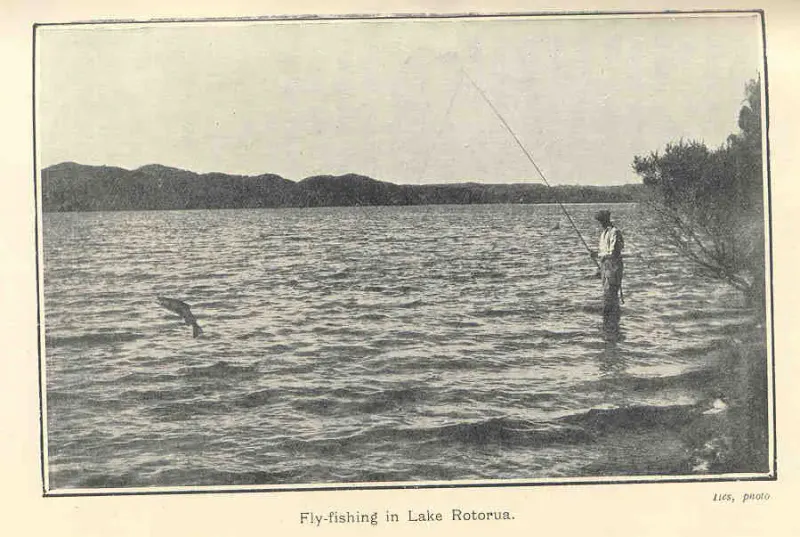
That gate matters because a good rod-and-reel purchase can still be wrong for the itinerary. A visitor might fish Rotorua one day, Taupo the next, then join a saltwater charter near the coast. Those are not one equipment problem.
| Visitor plan | Licence and gear consequence |
|---|---|
| One ordinary Fish & Game freshwater day | A simple method-matched starter kit may be enough |
| Several Fish & Game regions | Keep the kit cleanable and re-check each regional notice |
| Taupo Fishing District | Follow DOC Taupo rules and the Taupo gear checklist |
| Lake Rotoaira | Confirm the separate DOC Lake Rotoaira licence and rules before buying |
| Saltwater day | Use MPI marine rules; a Fish & Game freshwater kit may not fit the activity |
| Designated Water or controlled fishery | Confirm licence stack, access, proof, and eligibility before adding specialist gear |
| Fully guided freshwater trip | Ask what the guide supplies, then buy only the gaps |
Bring gear or buy in New Zealand
Visitors have two practical choices: bring used gear from home or buy a small kit after arrival. Bringing gear can save money and preserve familiar tackle, but it creates a biosecurity job. Fish & Game visitor guidance and MPI's Check Clean Dry advice both make cleaning part of trip preparation, especially for boots, waders, nets, fly lines, boats, kayaks, and tackle boxes that have touched freshwater.
Dry on the outside is not enough if water can remain inside fabric, felt, mesh, joints, fly boxes, or boot seams. Pack gear so it can be inspected and cleaned before the first fishing day. During the trip, plan the same cleaning step before moving between catchments.
Buying in New Zealand can avoid some border friction, but it does not remove biosecurity responsibility. New gear still needs to stay clean between waterways. It also needs to match the legal method for the exact water, which means shopping after the regional rule check rather than before it.
Method first, product second
Fish & Game beginner material separates the main freshwater methods, including spin fishing and fly fishing. The regional notice then decides whether the planned method is allowed on the named water and date. That is why the starter kit below is deliberately narrow.
| Item group | Buy when | Wait or skip when |
|---|---|---|
| Rod and reel | The method is confirmed for the Fish & Game water | The trip might switch to DOC Taupo, saltwater, or a fly-only water |
| Small lure, fly, or terminal-tackle box | The region and method are known | The plan is still "somewhere in New Zealand" |
| Polarised glasses | The angler will sight fish, wade, or fish bright lake and river edges | The guide supplies them or the session is boat-only with supplied gear |
| Compact net | The angler must land and release fish without guide-supplied equipment | The water, access, or fish size calls for a longer or specialist net |
| Clean-gear supplies | Any multi-water freshwater itinerary | Never; this is part of the responsible kit |
| Licence proof pouch or offline file | Any trip with patchy mobile coverage | Only if the guide manages all licence verification, and even then keep your own proof |
The goal is not to buy the most complete kit. The goal is to avoid being stuck with a product that only fits a water you are no longer allowed or planning to fish.
Guided trips and supplied equipment
Many visitor trips involve guides, lodges, or local shops. If a guide supplies rods, flies, lures, boots, waders, or nets, buying a full starter kit can be wasteful. Ask three questions before purchasing anything:
- Which licence authority covers the exact water?
- Which method will be used on the day?
- Which items are supplied, and which items must the angler bring personally?
For a guided Fish & Game day, the most useful personal purchases may be licence proof, weather layers, polarised glasses, and clean footwear rather than a full tackle set. For a self-guided day, the rod, reel, net, and tackle box become more important because the angler is carrying the legal and practical responsibility alone.
Trips that need a different checklist
Taupo trips should move to the Taupo gear checklist because DOC rules and felt-sole restrictions affect packing. Rotorua lake plans should move to the Rotorua Lakes gear checklist because lake, boat, winter, and boundary checks change the buying context. Hydro canal and backcountry plans have their own pages because access, weather, fish handling, and remote-water proof can matter more than adding more lures.
If the trip is still a broad tourist itinerary, start with the tourist fishing licence guide first. If the question is only "do I need a licence at all?", start with do you need a fishing licence in New Zealand. Gear should not lead a trip that has not yet passed those licence checks.
How to read the product examples
The example product links below are starting points for shopping language, not endorsements and not rule advice. They show the kind of item a visitor might compare after the licence, water, and method are known. Check sizing, shipping, availability, warranty, airline rules, biosecurity needs, and official fishing rules before buying.
For a visitor, a good product choice is modest and water-specific. Buy the gear that fits the confirmed licence path, not the gear that tries to cover every New Zealand fishing search in one basket.