South Island backcountry gear is not only about rods and flies. Named waters, Designated Waters, controlled fisheries, private access, river conditions, weather, emergency planning, and clean-gear rules can matter before a beginner buys another piece of tackle.
Licence stack before shopping
The Designated Waters licence guide is the main parent for this checklist. It explains why an ordinary short licence can be the wrong starting point for some named waters. The Upper Oreti guide and controlled-fishery pages show the same pattern at water level: proof and eligibility can matter as much as the rod.
| Backcountry question | Gear implication |
|---|---|
| Is the water designated? | Carry proof for every licence layer before fishing |
| Is the fishery controlled? | Booking, named-angler, and date proof may be as important as tackle |
| Is access remote or private? | Navigation, clothing, communication, and daylight planning matter |
| Will the trip cross Fish & Game regions? | Clean gear between waterways and keep current rules offline |
| Is the visitor using a short product? | Confirm eligibility before buying a day-focused setup |
| Is the trip guided? | Ask what is supplied before buying heavy or duplicate gear |
Remote water magnifies small mistakes. The wrong footwear, missing proof, poor weather clothing, or no backup communication can make the gear choice worse than a narrow lure selection.
Proof is part of the kit
Backcountry pages often talk about rods, packs, waders, and flies. For licence-led planning, proof belongs in the same conversation. A Designated Water or controlled fishery can require more than one document, and some waters use named-angler, date, allocation, beat, or booking language.
| Proof item | Why it belongs in the gear plan |
|---|---|
| Base Fish & Game licence | Establishes the ordinary sports-fishing permission |
| Designated Waters proof | Shows the additional licence layer for a named water |
| Controlled-fishery booking or receipt | May be required before entering the controlled period or beat |
| Offline regional notice | Mobile coverage can be weak near remote water |
| Access permission or map | Public-looking land can still need a legal access route |
| Emergency contact plan | Remote fishing can outgrow a simple roadside kit quickly |
A waterproof pouch, offline files, and a battery plan may be less exciting than tackle, but they can be the items that keep the trip compliant and recoverable.
Pack light, but not thin
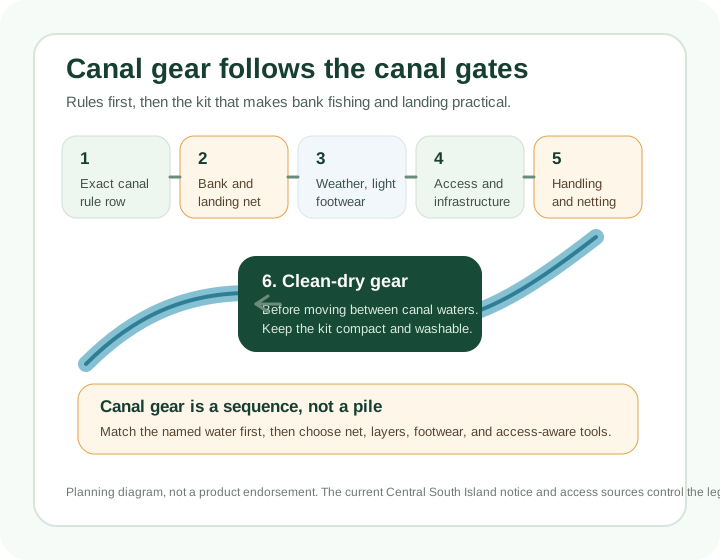
A good backcountry kit is compact and deliberate. It usually needs one reliable fishing method, a net if fish handling or bank access requires it, repair basics, clean-gear supplies, protective clothing, and a way to carry licence and access proof safely.
"Light" should not mean underprepared. Weather layers, sun protection, safe footwear, water, food, first-aid basics, navigation, and a communication plan can matter before any specialist lure or fly. If the route involves river crossings, long walking distance, private land, or changing mountain weather, the buying decision should include safety and exit planning.
The checklist includes product examples for simple tackle, landing, and remote communication because those categories solve real trip problems. It does not try to rank every specialist rod, fly, or pack.
Designated Waters and controlled fisheries
Designated Waters and controlled fisheries are easy to blend together in casual language, but they are not the same purchase decision. Designated Waters add a named-water licence layer. Controlled fisheries can add booking, ballot, allocation, named-angler, date, or period rules.
Not every South Island backcountry river is a Designated Water or controlled fishery. If the official source does not name the water in one of those systems, treat it as a normal Fish & Game regional-rule and access check rather than inventing an extra licence category.
| Water type | Gear and paperwork focus |
|---|---|
| Designated Water | Licence stack proof, regional rule link, clean gear, and access plan |
| Controlled fishery | Booking or allocation proof, named anglers, date/time check, and compact gear |
| Remote ordinary Fish & Game water | Base licence, regional notice, access, weather, and safety |
| South Island road trip with several waters | Multiple rule links, clean-gear routine, and minimal duplicate tackle |
This checklist should not replace the named water page. It should help the angler translate that page into packing and shopping choices.
Access, weather, and communication
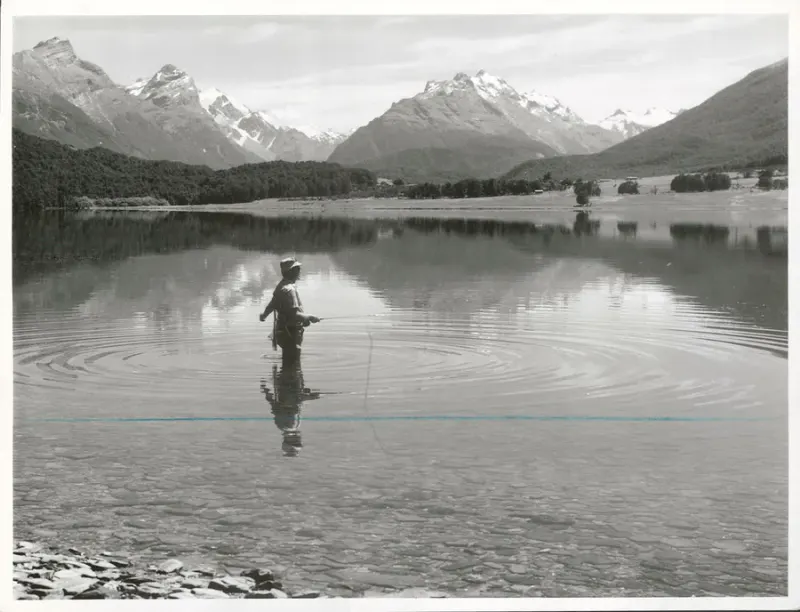
South Island backcountry fishing can look calm in a photo and still be unforgiving on the ground. River flow, snowmelt, rainfall, wind, sandflies, long daylight gaps, rough roads, private land, and limited phone coverage can change what belongs in the pack.
Before buying a specialist product, answer practical questions. How far is the walk? What is the exit route if the river rises? Is there mobile coverage? Is there a legal parking and access point? Will the angler return in the dark? Are boots, waders, and nets clean before entering the catchment?
If those answers are unclear, the next purchase may need to be a map, weather layer, dry bag, first-aid item, or communication plan rather than tackle.
Visitors and supplied equipment
Non-resident anglers should be careful with short, cheap purchases around remote waters. A one-day product may not fit a Designated Water or controlled fishery, and carrying the wrong licence proof into a remote water is harder to fix than a missing lure.
Guides can change the gear list. If a guide supplies rods, flies, waders, safety gear, or access transport, buy only the personal gaps: licence-stack proof, clothing layers, cleanable footwear, glasses, and any required personal safety item. If the trip is self-guided, the angler needs a more complete safety and access plan.
Avoid product shortcuts
Backcountry marketing can make the trip feel like a purchase problem. In New Zealand, the better decision starts with the named water. A product does not grant access, replace a Designated Waters licence, satisfy controlled-fishery terms, or make river flow safe.
The product examples below are starting points for category comparison, not endorsements or rule advice. Check current official rules, access, weather, fit, availability, battery life, shipping, and clean-gear requirements before buying.
When the exact water, access, weather, licence stack, and clean-gear plan are settled, the buying decision becomes much easier: choose products that support that confirmed plan and leave speculative extras behind.