Taranaki can look like a coastal trip from the road, yet its freshwater streams and lakes sit under Fish & Game rules. The useful habit here is to separate sea fishing, mountain-fed trout water, perch opportunities, and Taupo side trips before buying.
Taranaki licence setting
Taranaki is a Fish & Game freshwater region on the western North Island. For freshwater sports fishing, start with the Fish & Game licence guide, confirm the correct resident or non-resident category, then read the current Taranaki regulations.
Taranaki can be confused with coastal fishing because the region sits against the Tasman Sea. Freshwater and saltwater remain separate systems. A river, lake, or perch-water day is not checked the same way as a surfcasting, boat, or shellfish day.
As of 31 July 2026, the Taranaki 2025/26 regulations PDF is the current rule source to reopen before fishing. Fish & Game's regional and seasonal pages help with trip context, but the PDF decides the named-water rule.
Applicable licence
For Taranaki's mountain-fed trout streams, lakes, and Whanganui-area perch opportunities, start with Fish & Game. Overseas visitors should compare non-resident licence options before buying. If the day is coastal sea fishing, use MPI saltwater rules instead.
Taupo is not part of the Taranaki licence path. If the route heads inland toward the DOC Taupo Fishing District, switch to the Taupo licence and Taupo region checks before fishing there.
Where to start
Start with the authority, then the exact water.
| Trip phrase | First rule path |
|---|---|
| Lake Mangamahoe | Fish & Game Taranaki regulations plus NPDC access and local recreation checks |
| Manganuioteao or eastern Taranaki/Ruapehu-side waters | Taranaki regulations, exact reach, access, and boundary check |
| Hangatahua/Stony or ringplain streams | Taranaki regulations by named water, flow, access, and method checks |
| Whanganui-area perch waters | Treat perch as sports fish and check the named lake or water in the current notice |
| New Plymouth coast, surfcasting, shellfish, or boat sea fishing | MPI marine recreational fishing rules |
| Road trip continuing toward Taupo | DOC Taupo licence and rules for Taupo district waters |
For most trips, those names stay inside one careful Taranaki page. Lake Mangamahoe, Manganuioteao, ringplain streams, perch waters, the coast, and Taupo side trips all change the checks in different ways, but they do not all require separate licence products.
What makes Taranaki different
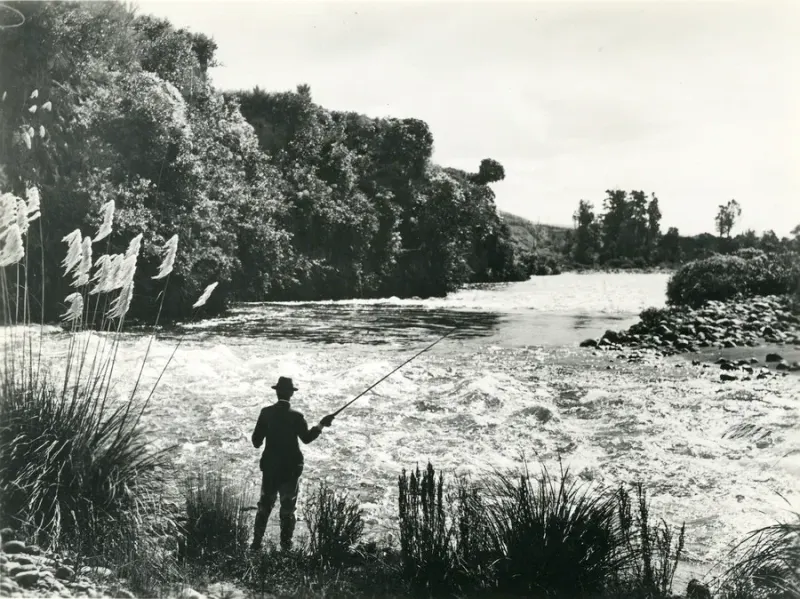
Fish & Game's Taranaki material describes trout fisheries sourced from Te Papakura o Taranaki and Tongariro National Parks. Small and medium trout streams radiate from Taranaki Maunga, with brown trout sight-fishing and rainbow trout opportunities in several lakes and rivers.
The region also reaches beyond the ringplain in practical planning terms. Official material points anglers toward eastern waters such as the Mangawhero and Manganuioteao, and to Whanganui-area perch waters that can suit children or beginners. That variety is why the exact water matters more than a single region-level rule summary.
| Planning angle | Taranaki implication |
|---|---|
| Mountain-fed streams | Check access, flow, and method rules by named water |
| Sight-fishing brown trout | Carry current regulations and avoid private access assumptions |
| Whanganui-area perch lakes | Treat perch as sports fish and check the named water in the current notice |
| Winter-open waters | Confirm the current notice before relying on a seasonal update |
| Coastal travel | Switch to MPI saltwater rules for sea fishing |
| Taupo side trip | Switch to DOC Taupo |
Key rules
Taranaki trips usually come down to five checks.
| Layer | What it answers |
|---|---|
| Fish & Game licence | Whether the angler has the base freshwater sports-fishing authority |
| Taranaki 2025/26 regulations | The exact water, season, method, bag, and named-water notes |
| Fish & Game regional information | Fishing style, broad water context, and current regional orientation |
| Local authority access pages | Parking, reserve, track, lake, or recreation rules that sit outside the fishing licence |
| MPI marine rules | Sea-fishing and shellfish rules for the coast |
The local access layer is useful, but it should not be promoted above Fish & Game rules. A council page can explain how to get to a lake; it does not decide the sports-fishing licence.
Named-water checks
Taranaki has enough freshwater variety that a generic "buy Fish & Game" answer is too blunt. Anglers should check named streams, lakes, and perch waters against the current notice before fishing.
Most visitors need three answers first: the regional authority, the exact water, and the freshwater-versus-saltwater split. Keeping those checks here avoids repeating the same licence answer across several short pages.
| Named-water example | What to verify |
|---|---|
| Lake Mangamahoe | Current Fish & Game rule entry, local council access status, no-boating/no-swimming restrictions, and whether the session is trout fishing |
| Manganuioteao | Reach, season, method, access, and whether the route has crossed toward another regional or Taupo check |
| Hangatahua or Stony River context | Exact water name, flow, access, and current Taranaki method rules |
| Whanganui-area perch lakes | Perch as sports fish, method, family-friendly access, and any named-water restriction |
Do not copy a rule from one lake, stream, or perch water to another. The point is to stop at the named-water level before buying or travelling.
Ringplain Streams
Treat Hangatahua/Stony, Waiwhakaiho, and other ringplain waters as named streams, not as a single "Taranaki river" rule. Check the current notice for the stream name, then add access, flow, weather, and method checks before choosing a short licence.
Ruapehu and Manganuioteao
Eastern Taranaki and Ruapehu-side trips can feel close to Taupo on a map, but the licence answer still depends on the exact water. Keep Manganuioteao and nearby waters in the Taranaki rule path unless the official source puts the planned water under another region or DOC Taupo.
Whanganui Fisheries
For Whanganui-area perch opportunities, do not borrow Auckland/Waikato coarse-fishing wording. Check the named water in the current Taranaki notice, treat perch as sports fish, and use the family licence guide only after the water and angler category are clear.
Water-specific rule checks
Open the current Taranaki Fish & Game regulations before fishing. The regional notice can define open waters, methods, daily limits, season dates, and named-water restrictions. Do not rely on a general North Island summary, an old seasonal newsletter, or a neighbouring region's rule table.
For lakes and perch waters, check whether the water has its own entry or condition. For ringplain streams, check access, method, season, flow, and private-land context before treating a short session as simple. For eastern rivers, confirm that the planned reach is still in the Taranaki rule path and not part of another authority or region.
Winter and seasonal-update checks
Taranaki conditions can change with weather, winter-open water, lake access, and river flow, so seasonal updates are only a pointer. The current rule notice still decides the day.
Use seasonal articles to spot waters worth a closer look, then reopen the current Taranaki regulations. This is especially important for Lake Mangamahoe, Manganuioteao, perch waters, and any winter or shoulder-season trip where a visitor may assume all Fish & Game water follows the same open season.
Access and planning
Use Fish & Game's Taranaki access and fishing information for river- and lake-specific details. Mountain catchments, farm access, road-end access, and weather can change the practical plan even when the licence decision is simple.
Carry your licence, respect land access, clean gear between waterways, and keep the official rule notice available. If the trip includes children, perch lakes, or a winter stop, check the same official notice rather than assuming beginner-friendly means rule-light.
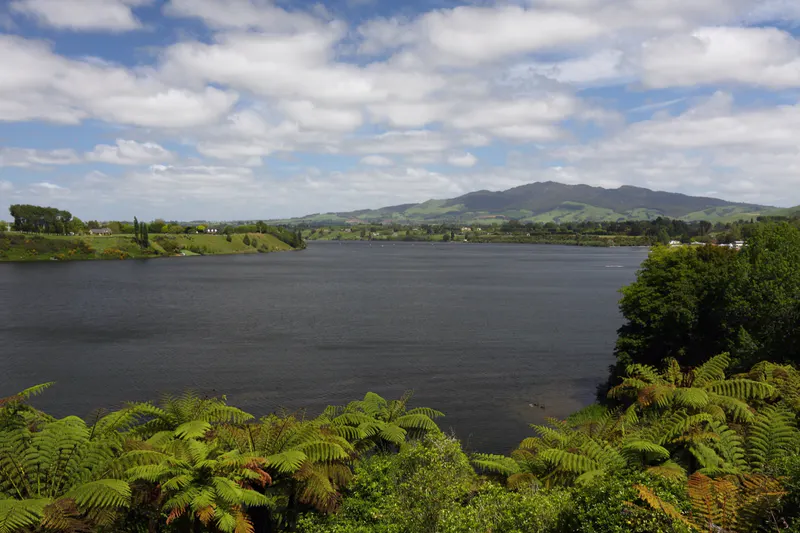
For Lake Mangamahoe, pair Fish & Game with local council access information. At last review, the practical plan needed to keep boats and swimming out of the session; reopen NPDC and the current Fish & Game notice before relying on that wording. For rivers, confirm land access and river levels. For a family perch plan, check the species and water first, then use family, child, and junior licence guidance if the angler category matters.
Border checks
Check Auckland/Waikato, Wellington, Hawke's Bay, or Taupo separately if the trip moves beyond Taranaki. Use the freshwater and saltwater guide when a coastal day and a river day sit in the same itinerary.
| Route extension | New check |
|---|---|
| South toward Whanganui or Wellington | Wellington rules where the authority changes |
| North or east toward Waikato | Auckland/Waikato rules |
| Inland toward Taupo | DOC Taupo licence and Taupo rules |
| Coast before or after a freshwater day | MPI marine rules |
Planning traps
The coast should not dominate the rule thinking. Taranaki sea fishing is an MPI matter; Taranaki trout and perch fishing is a Fish & Game matter.
Mountain-fed streams should not be collapsed into one simple method rule. Check the current notice for the named water.
Access and weather can change a small scenic stream into a more serious plan. Private land, fast flow changes, and limited mobile reception all matter.
Split out a separate guide only when a named water truly changes the decision. Manganuioteao, Hangatahua/Stony, Whanganui perch waters, and Lake Mangamahoe now have focused child pages because their reach, species, method, closure, access, or buying traps differ from a broad Taranaki licence answer.
Old seasonal content should not become the final rule source. If a Fish & Game update names a winter option, reopen the current regulations before fishing.
Final check before fishing
- Confirm Fish & Game freshwater, MPI saltwater, or DOC Taupo.
- Confirm the correct Fish & Game licence category.
- Read the current Taranaki rule notice for the exact water.
- Check access, named-water rules, method, season, and weather.
- Re-check boundaries if the trip moves toward Taupo, Wellington, Auckland/Waikato, or the coast.
- Carry the licence and official rule link.
For Taranaki, separate freshwater from the coast first, then check the named stream, lake, or perch water. When access and weather are uncertain, resolve those details before treating the licence decision as finished.