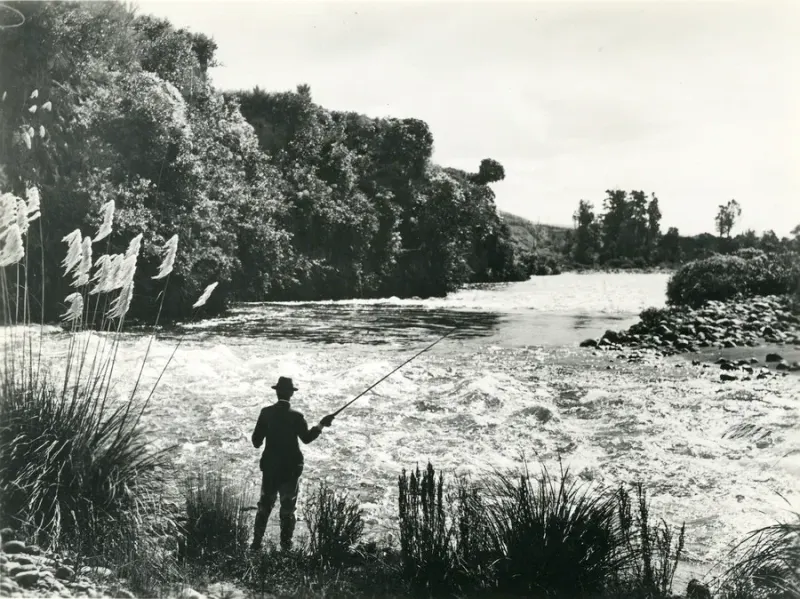
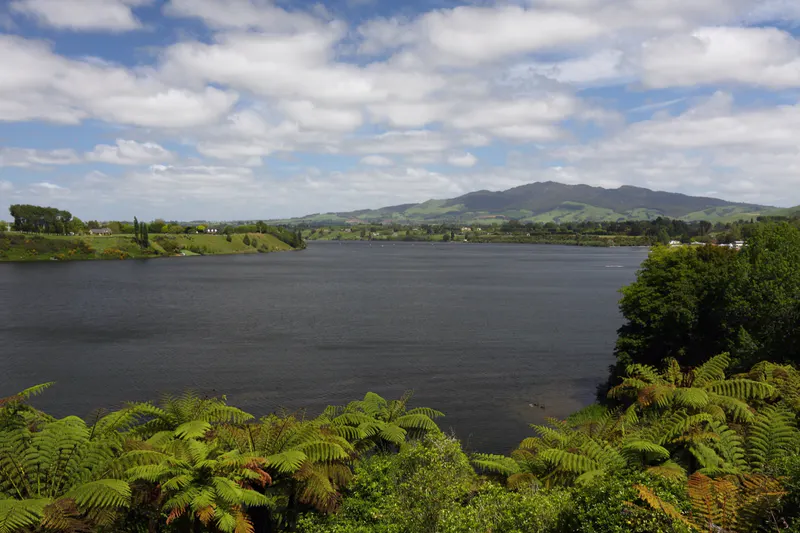
North Canterbury brings together braided rivers, high-country lakes, sea-run salmon, designated waters, controlled-fishery checks, and fast-changing river conditions. The Fish & Game licence decision is only reliable when it is paired with the current North Canterbury regulations for the exact water.
North Canterbury licence setting
North Canterbury is a Fish & Game freshwater region. It is the right authority path for trout and salmon fishing in North Canterbury freshwater, but the licence is only the first layer. The current regional regulations decide seasons, methods, bag limits, size limits, sea-run salmon conditions, named-water notes, and special-water restrictions.
This page is for choosing the right named-water check, not for replacing the official notice. North Canterbury has enough named-water variation that a traveller can be right about the region and still wrong about the rule for the specific river, lake, mouth, or headwater.
Applicable licence
For freshwater sports fishing in North Canterbury, start with Fish & Game. Overseas visitors should compare Fish & Game non-resident options. If you plan to fish designated waters or sea-run salmon waters, check extra requirements before buying or fishing.
A Fish & Game licence does not cover Taupo and does not replace MPI saltwater rules for coastal fishing. The Fish & Game licence guide gives the base authority check, while the non-resident licence guide is the safer visitor starting point. If a trip mixes Taupo, Canterbury, and the coast, write down each fishing water before buying anything.
North Canterbury water checks
Fish & Game's regional material highlights the Rakaia, Waimakariri, Hurunui, and Waiau Uwha rivers for sea-run salmon in summer. It also describes more than 30 high-country lakes with brown and rainbow trout, some landlocked Chinook salmon, and braided river headwaters with wilderness trout fishing.
| Water or target | Planning note | Start with |
|---|---|---|
| Rakaia, Waimakariri, Hurunui, Waiau Uwha | Check sea-run salmon season, season-bag card expectations, river-mouth wording, and the current regional table | North Canterbury salmon guide plus current regulations |
| Upper Hurunui | Check the special-water requirements before treating it as a normal river day | Upper Hurunui controlled-fishery guide |
| High-country lakes | Check exact lake, access, method, season, bag, boat or flotation-device limits, and weather exposure | Lake Coleridge guide plus the North Canterbury regional notice |
| Braided river headwaters | Check reach wording, land access, river-flow safety, and wilderness travel limits | North Canterbury regional notice and access checks |
| River mouths and surf casting | Separate freshwater salmon rules from marine fishing rules | North Canterbury notice plus freshwater and saltwater guide |
| Trips crossing region borders | Recheck the authority as soon as the itinerary leaves North Canterbury | Central South Island, Nelson/Marlborough, West Coast, or Otago regional pages |
The same town name is not enough. A plan written as "fish Canterbury salmon" or "fish near Christchurch" still needs the exact water, reach, date, method, and licence category.
Key rules
As of 31 July 2026, the safer North Canterbury approach is to read the official sources together instead of relying on a short regional summary.
| Layer | What it settles |
|---|---|
| Fish & Game licence category | Whether the angler has the base freshwater sports-fishing permission |
| North Canterbury regulations | The current season, method, bag, size, and named-water conditions |
| Sea-run salmon guidance | Salmon-specific season-bag, reporting, and river context |
| Designated Waters guidance | Whether a full-season and designated-water licence path is required |
| Controlled-fishery guidance | Whether booking, receipt, named-angler, or date limits apply |
| Regional-council waterbody rules | Boat, flotation-device, and local safety requirements |
| MPI recreational rules | Marine fishing rules if the day moves into saltwater |
That is why North Canterbury does not reduce cleanly to a single "licence cost" question. The product you buy and the rule you follow can diverge when a designated water, controlled fishery, salmon river, river mouth, or boat plan appears.
Named-water checks
Open the current North Canterbury Fish & Game regulations before fishing. Check the exact water, open season, method, bag limit, sea-run salmon conditions, and designated-water terms.
Fish & Game notes that North Canterbury has designated waters requiring anglers to hold the right qualifying licence and designated-water permission. Do not assume a day licence is enough for a special-water plan. Upper Hurunui is the named example that deserves its own controlled-fishery guide because booking, receipt, named-angler, and current-season terms can all matter.
For special-water planning, keep the Designated Waters licence guide open beside the regional notice. That is especially important for non-residents because the one-day product is not a safe default for designated waters. If the official page says a whole-season licence is required for a special-water path, do not try to force the trip into a short-duration licence just because the fishing day is short.
Salmon and river-mouth checks
North Canterbury salmon planning should not be copied from a trout-only licence summary. Fish & Game has separate sea-run salmon guidance, and the current season material can affect season-bag and reporting expectations.
The Rakaia, Waimakariri, Hurunui, and Waiau Uwha are named in official regional context, but each river still needs an exact-water check. A salmon angler should verify the river, season, method, daily and season bag settings, and any card or reporting language before fishing.
River-mouth and surf-casting plans also need careful freshwater versus saltwater sorting. If the day moves from a river channel to the coast, do not assume the Fish & Game answer carries the whole trip. Use the freshwater and saltwater guide and the MPI rules for the marine side of the day.
Visitor licence traps
North Canterbury is a common part of a South Island itinerary, so visitors often compare a non-resident one-day Fish & Game licence with a longer licence after they already have a route in mind. That order can create mistakes.
Start with the waters, then choose the product. A simple lowland trout stream may be a normal Fish & Game licence decision. A designated water may need extra permission. A salmon river may add salmon-specific rule checks. A route that continues to Twizel, Tekapo, or the Waitaki system may need the Central South Island guide and the Twizel and Tekapo canals page. A route that swings toward Taupo is no longer a Fish & Game-only trip.
For visitors deciding between one-day and longer options, the day versus season comparison and non-resident day versus season page help with cost logic after the North Canterbury water has been classified.
Access and planning
North Canterbury fishing is often shaped by weather, snowmelt, river flow, and braided-river safety. The regional material notes February as a common planning window for salmon because flows can stabilise after snowmelt, but current flow and rule checks matter more than a general seasonal expectation.
For boat or flotation-device use, check the relevant regional council rules as well as Fish & Game rules. A licence does not decide whether a river can be crossed safely, whether a lake is fishable in wind, whether private land access is available, or whether a boat ramp is usable.
Border checks
Check Nelson/Marlborough, West Coast, Central South Island, or Otago if the trip moves beyond North Canterbury. Sea-run salmon planning also overlaps with Central South Island, and high-country travel can cross practical boundaries faster than a licence summary suggests.
| If the trip moves toward | Recheck |
|---|---|
| Kaikoura, Marlborough, or Nelson lakes and rivers | Nelson/Marlborough rules |
| West Coast lakes or rivers | West Coast rules and special-water checks |
| Mackenzie Basin, Tekapo, Twizel, Waitaki, or Rangitata | Central South Island rules |
| Otago lakes, Clutha/Mata-Au, or Greenstone | Otago rules and special-water checks |
Planning traps
A salmon trip should not be planned from a trout licence summary. Sea-run salmon rules, season bag limits, and regional reporting requirements can change the compliance work.
Designated waters can change the licence category. A day or short-break licence may not be enough for a special-water itinerary.
Boat and flotation-device rules need their own check. Fish & Game rules and regional-council waterbody rules both matter.
Final check before fishing
- Confirm North Canterbury Fish & Game freshwater.
- Confirm licence category, sea-run salmon needs, designated-water needs, and controlled-fishery needs.
- Read the current North Canterbury rule notice.
- Check exact water, reach, open season, method, bag, size, and notes.
- Check river flow, access, boat rules, and safety.
- If the day reaches the coast, confirm MPI saltwater rules separately.
- Carry the licence and official rule link.
North Canterbury planning should end with the current water condition and regional notice, not with a generic salmon or trout expectation. If designated waters, sea-run salmon, boats, controlled fisheries, or braided rivers are involved, confirm those details before leaving.